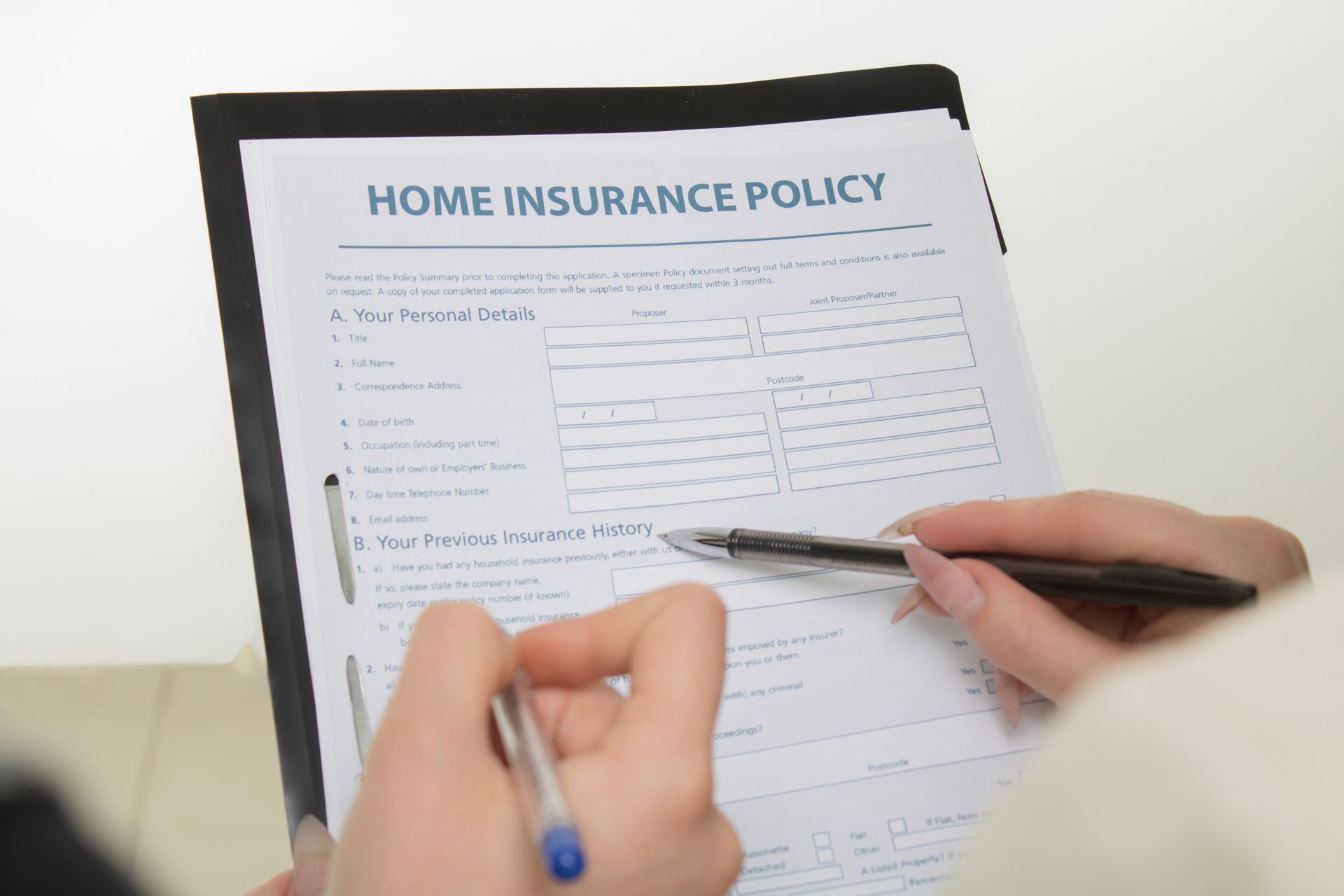
Your home is probably one of the biggest investments you’ll ever make. Whether you’ve just bought your dream house or have been living in your family home for years, protecting it should always be a priority. After all, unexpected events like fires, storms, theft, and water damage can happen when you least expect them. That’s where home insurance comes in. It provides financial protection against certain losses and damage, helping you avoid the stress of paying every expense out of pocket. However, choosing the right policy isn’t always as simple as picking the cheapest option. Before you purchase home insurance, there are a few important things you should understand. Let’s look at what you need to know to make a smart and confident decision.

Understand What Your Policy Covers
The first thing you should do before buying home insurance is understand exactly what the policy covers. Most standard policies protect your home’s structure and may also cover personal belongings, depending on the type of coverage you choose. For example, your policy might protect you against damage caused by fire, storms, or certain types of water damage. Some policies may also cover theft and vandalism. However, coverage varies by provider, so don’t assume everything is automatically included. Take time to read the policy details and ask questions if anything is unclear.
Know What Isn’t Covered
While understanding what’s covered is important, knowing what’s excluded is equally essential. Every home insurance policy has certain exclusions, which are situations or types of damage the insurer won’t pay for. For instance, standard policies may exclude damage caused by floods, earthquakes, poor maintenance, or normal wear and tear. You might need additional coverage to protect your property against some of these risks. Always review the exclusions carefully before signing up. The last thing you want is to discover that a major loss isn’t covered when you need help the most.
Compare Insurance Premiums
Price is naturally one of the biggest things people consider when shopping for home insurance. However, choosing a policy simply because it has the lowest premium isn’t always a good idea. Insurance premiums depend on several factors, including your home’s location, age, construction materials, security features, and the amount of coverage you need. It’s worth comparing quotes from different insurance providers to see what they offer. Just remember to compare similar coverage levels. A cheaper policy may have lower protection limits or more exclusions, which could cost you more in the long run.
Check Your Coverage Limits
Coverage limits refer to the maximum amount your insurance company will pay for a covered loss. Before purchasing a policy, make sure the limits are enough to protect your home and belongings. For example, if a covered event damages your house, will your policy provide enough money to rebuild it? Also, consider the value of your furniture, electronics, appliances, clothing, and other personal possessions. Underinsuring your property could leave you paying a significant amount out of pocket. Choose coverage that reflects the actual value of what you’re protecting.

Research the Insurance Company’s Reputation
Not all insurance providers offer the same level of service. That’s why it’s important to research a company’s reputation before trusting it with your home protection. Look at customer reviews, check how the company handles claims, and find out whether its customer support team is easy to reach. You should also confirm that the insurer is properly licensed and regulated in your country. A reliable insurance company should communicate clearly, explain its policies, and make the claims process as straightforward as possible.
Understand Your Deductible
A deductible is the amount you agree to pay toward a covered claim before your insurance provider pays the remaining eligible amount. This is another important detail to understand before buying home insurance. Generally, policies with higher deductibles may have lower monthly or annual premiums. While this can help you save money upfront, it also means you’ll have to contribute more if something goes wrong. Choose a deductible that comfortably fits your budget. There’s little point in having insurance if you can’t afford to pay the deductible when you need to make a claim.
Ask About Additional Coverage Options
Sometimes, a standard home insurance policy isn’t enough to cover all your needs. Depending on where you live and …




 Before diving into repairs, assessing the damage and creating a plan of action is important. Depending on the severity of the fire, you may need to hire a professional inspector to evaluate the structural integrity of your home. They can also help identify hidden damage that may not be immediately visible.
 For repairs that require professional assistance, it’s important to shop around and get multiple quotes from different contractors. This will not only give you a better understanding of the average cost for repairs, but it also allows you to compare prices and services offered. Be sure to ask for references and check their credentials to ensure you are hiring a reputable and experienced contractor.
 When hiring contractors, communicate your budget constraints clearly. Experienced professionals can often suggest cost-effective solutions and materials that meet your financial goals. It’s important to have open and honest communication with contractors throughout the repair process so there are no surprise costs or misunderstandings.

 The first step to take when considering purchasing cannabis online is to research state and local laws. Depending on where you live, the regulations surrounding cannabis can vary greatly. It is important to be aware of these laws before purchasing, as breaking them could result in serious penalties.
 When buying cannabis online, reviews and questions are your best friend. Take the time to read reviews of the different online dispensaries before making a purchase, and don’t hesitate to ask questions if you’re unsure about anything. Cannabis is a relatively new industry, meaning not all online dispensaries are created equal.

 One of the most common types of scam websites is phishing. Phishing scams are designed to steal your personal information, such as your credit card number or login credentials. These scams typically involve the scammers sending you an email that looks like it is from a legitimate website or company. Once you input your personal information into the fake website, the scammers will access it.
 These websites will promise you a chance to win a large sum of money or an expensive prize if you enter their contest. However, the only way to enter is to provide your personal information or pay a fee. Once they have your information, they will sell it to marketing companies or use it to scam other people. You will probably never see the prize even if you win the contest. They will ask you to provide your personal information and then sell it or use it to scam other people.
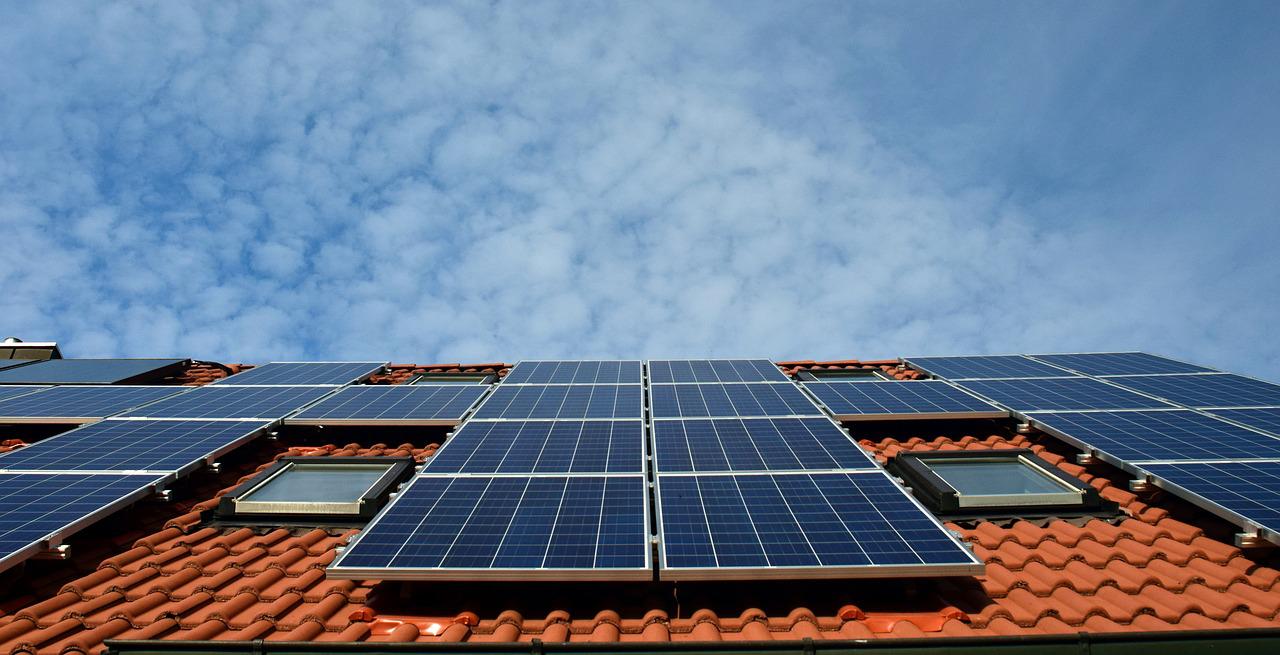
 Cleaning your solar panels regularly is crucial to maintaining their efficiency. However, using the wrong cleaning solution can do more harm than good. For instance, using too abrasive cleaner can damage the surface of your solar panels, making them less effective at capturing sunlight. In addition, using a cleaning solution not designed for solar panels can leave behind streaks and residue, which can also impact their performance.
 Another common mistake homeowners make is failing to monitor their solar panel’s battery. Like any other battery, solar batteries can degrade over time. This degradation can impact the performance of your solar panels and, in some cases, may even cause them to stop working altogether. To avoid this, check your solar panel’s battery regularly and replace it as needed.
 Finally, one of the most common mistakes homeowners make is neglecting to have their solar panels serviced regularly. Like any other equipment, solar panels require occasional checkups to ensure they function correctly. These checkups can help pinpoint possible issues before becoming severe, saving you money later on.

 Weedmaps is one of the most popular cannabis apps, with millions of downloads. It’s also one of the few that offers CBD delivery. You can use Weedmaps to find dispensaries near you and order CBD products for delivery. The app offers a wide selection of CBD products, including tinctures, edibles, topicals, and more.
 Kushy is another great option for CBD delivery. They offer a wide range of products, including tinctures, topicals, edibles, and more. They also have a great selection of strains to find the perfect one for your needs. Delivery is quick and easy with Kushy, so you can get your CBD fixed as soon as possible.

 The first step you should take is to dispute any inaccurate information on your credit report. If items on your account are not accurate, you can contact the credit bureau and ask them to remove them. Remember, you are allowed one free credit report per year from each of the three major bureaus, so be sure to check your report regularly and dispute any inaccurate information.
 Another thing lenders look at when determining your creditworthiness is your debt to income ratio. This is the monthly debt you have compared to your monthly income. Lenders want to see that you can afford a new loan, and they will use your debt to income ratio as one factor in making their decision.

 If you are thinking of buying cannabis products online, make sure to do your research first. A quick Google search should give you a good idea of whether or not they’re reputable and what customers have said about them in their reviews. You can also check customer service numbers if there are any issues with delivery or quality later.
 When you are ready to buy cannabis products online, it’s time to look at shipping options. Who can deliver faster? What international locations do they ship to? How much will the price differs based on where you live and how many items you’re buying?